Home › Myrtle Beach › Is Myrtle Beach a good place to live?
An honest look from a local REALTOR®
Is Myrtle Beach a Good Place to Live?
I love living on the Grand Strand, but I'll give you the honest version: what's great, what's hard and how to pick the right part of the coast.

Is Myrtle Beach a good place to live?
For many people, yes. Myrtle Beach sits in the middle of the Grand Strand, about sixty miles of coastline across Horry and Georgetown counties (South Carolina Encyclopedia). You get beaches, more than 65 golf courses, the Intracoastal Waterway and South Carolina's 4% assessment ratio on a primary home. The trade-offs are real: summer tourist traffic, hurricane season, flood and wind insurance on some homes, and a job market built around tourism, healthcare and services.
I'm Sandy McAlpine, Broker-in-Charge of The McAlpine Team at REMAX Results in South Carolina, and I live on the Intracoastal near Myrtle Beach. Here's how to decide whether it fits you, and where.
Watch: The Pros and Cons of Moving to Myrtle Beach
This short video lays out both sides of a move to Myrtle Beach: a mild climate, beaches, golf, and water activities, along with a cost of living the video describes as relatively affordable compared with other coastal areas. It also flags tradeoffs, including heavy traffic in peak tourist season and a job market that is concentrated in hospitality. Watch it as a quick overview, then use the sections below for area-by-area detail.
Pros and cons of living in Myrtle Beach
Every place has trade-offs. These are the ones my buyers ask about most.
| Pros | Cons |
|---|---|
| Beaches, the Intracoastal and a mild climate | Hurricane season, June 1 to November 30 |
| More than 65 golf courses on the Grand Strand | Heavy tourist traffic in summer |
| 4% assessment on a primary home; no SC tax on Social Security | Flood and wind insurance can be costly on some homes |
| Lots of home choices, from condos to new construction | Job market leans on tourism, healthcare and services |
| Restaurants, entertainment and events all year | Some areas get busy and loud in peak season |

Cost of living
Living costs depend on where you buy and how you use the home. Property taxes in South Carolina are lower on a primary home because it is assessed at 4% instead of 6% (SC Code 12-43-220). Insurance is where coastal costs can surprise people, so get flood and wind quotes before you make an offer.
For a full breakdown, read my cost of living in Myrtle Beach guide.
Taxes in retirement
South Carolina doesn't tax Social Security and offers retirement income deductions (SCDOR). See my retiring in Myrtle Beach guide.
Best areas to live near Myrtle Beach
The Grand Strand isn't one place. Each area has a different setting and price range. My best neighborhoods guide goes deeper.
City of Myrtle Beach
Oceanfront condos, established neighborhoods and the busiest beach scene.
North Myrtle Beach
Four beach communities, the shag dance tradition and a slightly quieter pace than central Myrtle Beach.
Carolina Forest
Newer master-planned neighborhoods, parks and schools west of the waterway.
Market Common
Walkable shopping, dining and parks on the former Air Force base.
Conway
A historic river town and county seat, with more land and a riverwalk.
Surfside, Garden City and Murrells Inlet
The south end: marsh views, piers, seafood and a calmer feel.
Jobs, schools, healthcare and getting around
Jobs
Much of the local economy centers on tourism, hospitality, healthcare, retail, construction and real estate, and many people work remotely.
Schools and college
Horry County Schools serves Myrtle Beach and most of the Grand Strand. Confirm the school assignment for each address. Coastal Carolina University is in Conway.
Healthcare
Major hospitals and medical offices sit along the Grand Strand, from North Myrtle Beach to Murrells Inlet. Check how far your doctors will be from the home.
Getting around
Myrtle Beach International Airport is close to the city. Most people drive, and Highway 17, Highway 501 and SC 31 carry most traffic. Test your commute in summer.
Storms and flood: what to know
Atlantic hurricane season runs June 1 to November 30 (National Hurricane Center). Plan for storms every year. Before you buy, look up the flood zone on the FEMA flood map, ask for an elevation certificate if one exists, and price flood and wind insurance early (FloodSmart). Know your evacuation zone through Horry County Emergency Management, and look into the SC Safe Home grant program for storm-proofing.
Myrtle Beach or North Myrtle Beach?
Central Myrtle Beach has more attractions, dining and nightlife. North Myrtle Beach is its own city, with a slightly quieter beach-town feel. Both have rental rules, so check them by address. Compare them in my North Myrtle Beach guide.
How I help you decide
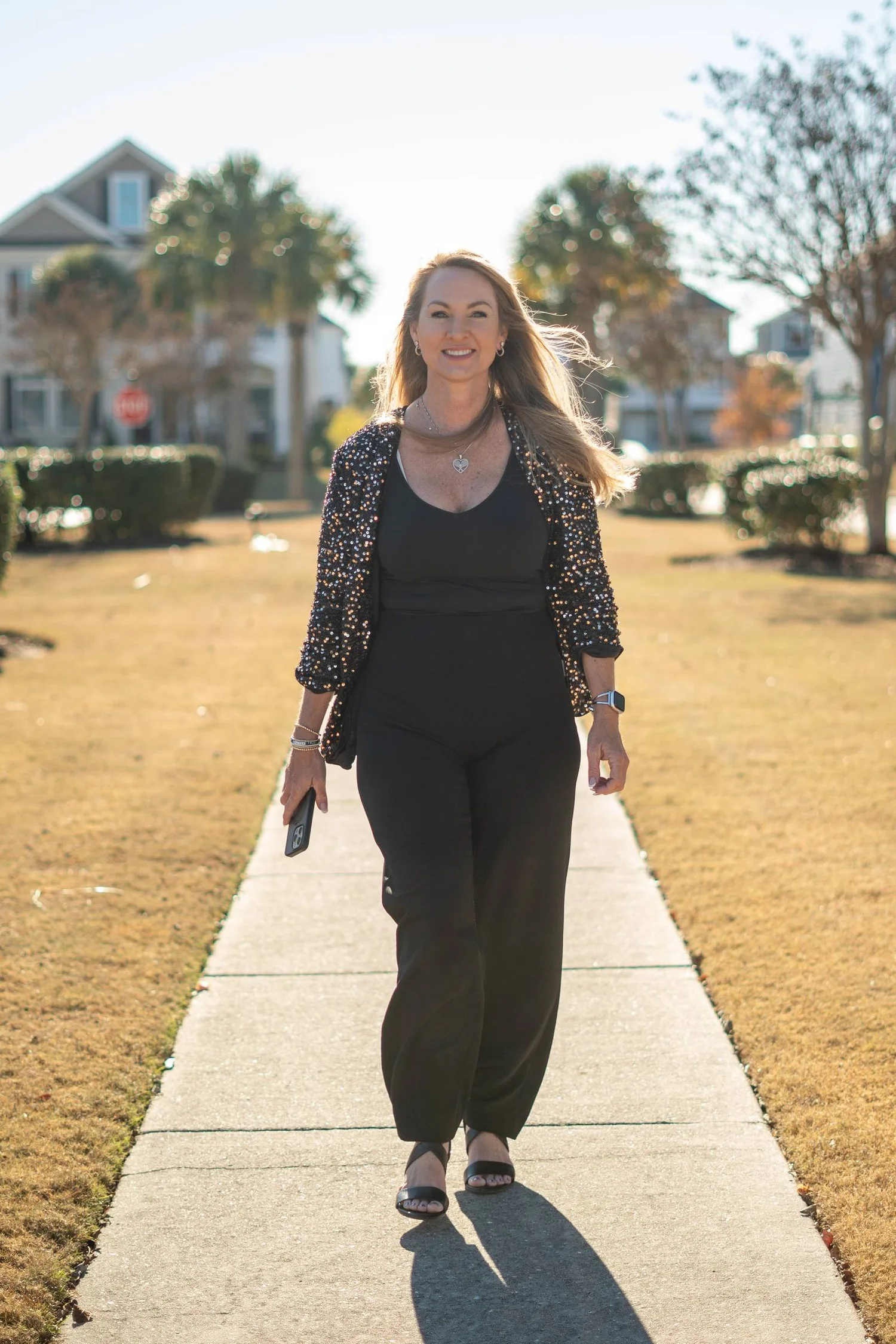
I start with how you want to live: near the sand or the water, how much upkeep you want, your budget and how often you'll be here. Then we tour a few areas so you can feel the difference. Moving from out of state? My Myrtle Beach relocation guide walks through every step, and I can tour homes with you by video.
Wondering about timing? Read is now a good time to buy or sell in Myrtle Beach.
Keep exploring
Back to the Myrtle Beach area guide, or keep going with these related pages:
Frequently asked questions
Is Myrtle Beach a good place to live?
For many people, yes. You get beaches, golf, the Intracoastal and lower property taxes on a primary home. The trade-offs are summer traffic, hurricane season, insurance costs on some homes and a tourism-based job market.
What are the pros and cons of living in Myrtle Beach?
Pros include the beaches, a mild climate, more than 65 golf courses, many housing choices and no SC tax on Social Security. Cons include hurricane season, flood and wind insurance on some homes, summer crowds and traffic, and fewer high-paying industries.
Is it expensive to live in Myrtle Beach?
It depends on the area and the home. A primary home is assessed at 4% for property tax, which helps. Insurance near the water can add a lot, so get quotes before you buy.
What are the best areas to live in Myrtle Beach?
Popular areas include the City of Myrtle Beach, North Myrtle Beach, Carolina Forest, Market Common, Conway and the south end around Surfside Beach and Murrells Inlet. Each has a different setting, so tour a few before you choose.
Is Myrtle Beach safe?
Safety varies by neighborhood and even by street, as in any city. Look at current information from the Myrtle Beach Police Department, North Myrtle Beach Public Safety or the Horry County Police Department for the specific area you are considering.
What is the downside of living in Myrtle Beach?
The biggest downsides most people mention are summer tourist traffic, hurricane season and the cost of flood and wind insurance on some homes.
Do I need flood insurance in Myrtle Beach?
A lender may require it if the home is in a FEMA special flood hazard area. Even outside one, many owners buy a policy. Check the flood map and get quotes early.
Is Myrtle Beach or North Myrtle Beach better to live in?
Central Myrtle Beach has more attractions, dining and nightlife. North Myrtle Beach has a slightly quieter beach-town feel. The right choice depends on how you want to spend your days.
Thinking about moving to Myrtle Beach?
Book a consultation. I'll give you the honest local view and help you find the part of the Grand Strand that fits.
Sources
Facts on this page come from these sources, checked November 2026. Rules, programs and community details change, so confirm details for your specific property.
- South Carolina Encyclopedia: Grand Strand
- Myrtle Beach Golf: courses
- SC Code Title 12 Chapter 43 (assessment ratios)
- SC Department of Revenue
- National Hurricane Center
- FEMA Flood Map Service Center
- FloodSmart (National Flood Insurance Program)
- Horry County Emergency Management
- SC Safe Home program
- Horry County Schools
- Coastal Carolina University
- City of Myrtle Beach