For remote and hybrid professionals, the question isn’t just whether Myrtle Beach is cheaper than other coastal cities.
It’s whether your income creates a better everyday lifestyle. If you’re working remotely full-time — or traveling occasionally while based near the coast — affordability isn’t only about housing prices. It’s about space, flexibility, predictability, and how your days actually feel once you’re settled.
So is Myrtle Beach more affordable than other coastal states in 2026? For many professionals relocating from Florida, Atlanta, the Mid-Atlantic, or North Carolina metros, the answer is yes — particularly when you look at lifestyle value per dollar.

Housing: What Your Budget Buys Here
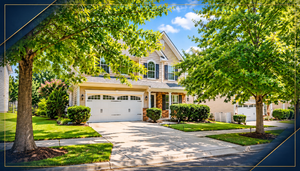
Housing is usually the first comparison point. And in 2026, Myrtle Beach continues to offer more square footage per dollar than many high-density coastal markets.
For remote professionals, that often means:
A dedicated home office instead of a corner desk
Outdoor space instead of shared high-rise amenities
Access to golf communities, waterway neighborhoods, or established residential areas
Unlike Miami, Naples, or parts of coastal New Jersey, you’re not typically paying an urban premium for proximity to crowded downtown districts. Many neighborhoods also offer practical access to Highway 31 and 17, giving you flexibility without daily metropolitan gridlock.
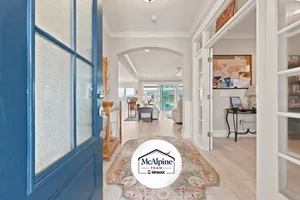
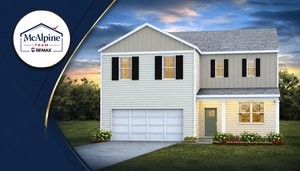
If you're curious what different price points look like right now, you can explore Myrtle Beach homes currently available to compare layouts, community styles, and proximity to major corridors.
The key difference isn’t just price — it’s usable space and livability.
Property Taxes and Insurance: Understanding the Real Carrying Costs
Affordability also depends on what you pay beyond the mortgage.
South Carolina’s primary residence tax structure is often attractive compared to some Northeastern states, particularly for owner-occupied homes. That said, coastal insurance must be part of the conversation.
Insurance premiums in Florida have risen sharply in recent years, especially in higher-risk coastal counties. While South Carolina coastal insurance isn’t inexpensive, many relocating buyers find the overall stability and pricing more predictable than what they experienced in certain Florida markets.
The goal isn’t to frame Myrtle Beach as “cheap.” It’s to understand how your total monthly cost behaves over time — and whether it aligns with your income and long-term plans.
Everyday Lifestyle Costs for Remote Professionals
Housing is one piece. Daily living expenses matter just as much.
According to U.S. Bureau of Labor Statistics consumer spending data, housing, transportation, food, and healthcare remain the largest expense categories for American households. When comparing coastal regions, differences often come down to density and infrastructure.
In Myrtle Beach, many remote professionals notice:
Lower parking and commuting expenses
Reduced congestion-related fuel costs
More moderate pricing on everyday services compared to major metro coasts
A mix of local and national retailers that stabilizes grocery pricing
Because Myrtle Beach isn’t a large urban core, you’re less likely to encounter the pricing premiums associated with dense, high-rise coastal cities.
For remote workers, this often translates into steadier monthly budgeting — and fewer surprise expenses tied to city living.
Infrastructure That Supports Remote Work
Affordability isn’t just financial — it’s functional.
Myrtle Beach International Airport offers direct connections to major hubs, making occasional business travel manageable without living inside a major metro. Many residential communities are structured for year-round living rather than strictly tourism.
Reliable internet infrastructure has expanded significantly across Horry County, especially in established communities and newer developments. That matters if your home office is your primary workplace.
Access to Highway 31 and Highway 17 allows flexibility when you do need to move around town, especially outside peak tourist season.
In other words, the region supports a hybrid lifestyle without demanding urban intensity.
The Bigger Consideration: How Your Days Feel
When professionals compare coastal markets in 2026, they’re often deciding between:
Higher-density, higher-cost coastal cities
Or a more balanced, residential coastal environment
Myrtle Beach tends to appeal to those who want:
Coastal access without high-rise congestion
Community amenities without major metro overhead
A predictable monthly cost structure
The option to scale space as life changes
Affordability isn’t only about buying cheaper property. It’s about whether your income creates room — physically and financially — to enjoy where you live.
If you’re weighing different coastal options and want clarity on how specific neighborhoods align with your work style and travel needs, you can always connect with our South Carolina team for practical insight.
Choosing a home as a remote professional is less about escaping cost and more about upgrading how your life flows day to day. In Myrtle Beach, many find that balance without the pressure of larger coastal metros.