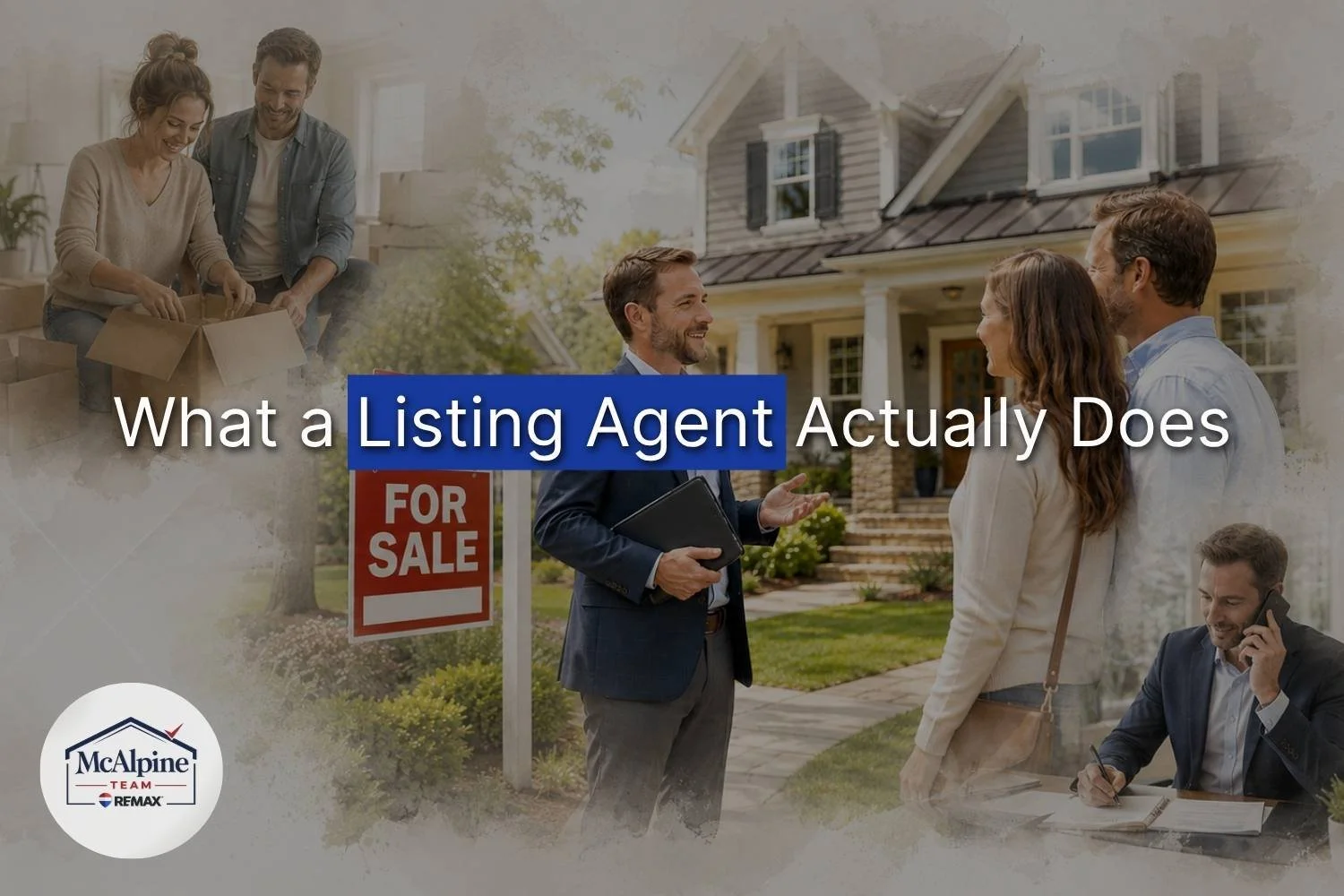
A practical look at how a seller’s agent helps with pricing, preparation, marketing, negotiations, and closing.
Selling a home in South Carolina often starts with one simple question: what does a listing agent actually do? A listing agent, also called a seller’s agent, represents the homeowner throughout the selling process. Their job is not limited to putting a sign in the yard or uploading photos online. A strong listing agent helps you understand your local market, choose a realistic price, prepare the home for buyer attention, create a marketing plan, manage showings, review offers, negotiate terms, track deadlines, and guide the sale through closing. In South Carolina, that guidance can be especially helpful because homes can attract different types of buyers depending on location, lifestyle, property condition, and timing.
The simplest answer is this: a listing agent helps you make smart selling decisions before, during, and after your home hits the market.
Pricing Begins With What Buyers Are Actually Comparing
Pricing is one of the first decisions a seller makes, and it can shape everything that follows. It is easy to think about what you paid, what you improved, or what you hope to net from the sale, but buyers are usually looking at the home in a different way.
They compare your property against similar homes that recently sold, active listings still on the market, location, condition, updates, lot features, neighborhood appeal, and overall value. A listing agent uses a comparative market analysis to help connect those pieces instead of relying on a guess or a broad online estimate. That matters because a home near the coast may be judged differently than a home farther inland, and even two homes in the same area can perform differently based on layout, updates, outdoor space, or how move-in ready they feel.
The goal is not to chase the highest possible number just because it looks good on paper. The goal is to choose a price that earns attention from serious buyers while still protecting the seller’s position.
Preparation Helps Buyers Understand the Home Quickly
A listing agent helps you look at your home with fresh eyes before buyers see it. Most homes do not need a major renovation before listing, but they do need to feel clean, cared for, and easy to understand.
That may mean decluttering, improving lighting, touching up paint, trimming landscaping, handling small repairs, organizing storage areas, and making sure the strongest rooms photograph well. Buyers often decide whether to schedule a showing from the photos first, so the way a home presents online can affect whether someone ever walks through the door. The National Association of Realtors has reported that home staging helps buyers imagine themselves in the space https://www.nar.realtor/research-and-statistics/research-reports/profile-of-home-staging, which is why a listing agent may talk with you about furniture placement, room flow, curb appeal, and small details that help the home feel more welcoming.
A simple preparation plan might include:
• removing extra furniture so rooms feel open
• clearing kitchen and bathroom counters
• fixing obvious cosmetic distractions
• brightening dark rooms
• refreshing outdoor entry areas
• organizing closets and storage
• preparing each space before professional photos.
Preparation is not about making the home look unrealistic. It is about helping buyers feel comfortable enough to picture the next step.

Are your photos, pricing, and exposure working together?
Marketing Should Make the Right Buyers Pay Attention
Once the home is ready, the listing agent’s work shifts toward visibility and presentation. Most buyers begin online, so the first impression is usually built through photography, listing copy, pricing, and how the home appears next to competing properties.
A strong marketing plan may include professional photos, a clear description, MLS exposure, social media promotion, agent-to-agent communication, open house planning when appropriate, private showing coordination, and follow-up with interested buyers. The point is not simply to get more views. The point is to reach buyers who are actually prepared to act and who understand the value of the property. For South Carolina sellers, especially in areas such as Myrtle Beach, North Myrtle Beach, Carolina Forest, Barefoot, Cherry Grove, and nearby communities, buyers may be comparing lifestyle as much as square footage. Some are looking for a primary home, some are relocating, and some may be weighing second-home or coastal living options.
Good marketing does not need to sound flashy. It needs to make the home clear, memorable, and easy for the right buyer to say yes to seeing.
Showings Reveal What Buyers Are Thinking
A listing going live is only the beginning of the public part of the sale. Once buyers start scheduling appointments, the listing agent helps manage access, communication, and feedback so the seller is not left guessing.
They coordinate showing requests, communicate with buyer agents, monitor buyer activity, and look for patterns in the feedback. One buyer’s opinion may not mean much by itself, but repeated comments can reveal useful information about price, condition, layout, location, or presentation. If the home is getting plenty of showings but no offers, the agent may need to help identify what is causing hesitation. If showing activity is slow from the start, the issue may be pricing, photos, competition, timing, or how the property is positioned online.
Feedback can feel personal, but it is not meant to be discouraging. A steady listing agent helps turn it into direction.
Offers Need to Be Reviewed Beyond the Price
When an offer comes in, the listing agent helps the seller understand more than the number at the top of the page.
Price matters, but so do financing details, contingencies, closing timeline, inspection expectations, appraisal risk, requested items, and the buyer’s overall ability to complete the purchase. In some cases, the highest offer may not be the strongest offer if the terms create more uncertainty or increase the chance of delays. A listing agent helps compare the details so the seller can decide whether to accept, counter, or continue negotiating. The National Association of Realtors has reported that agent-assisted sales have shown a higher median sale price than FSBO sales, which is one reason negotiation, exposure, and pricing strategy matter in real-world outcomes.
A good listing agent does not pressure a seller into the fastest answer. They help the seller understand the tradeoffs so the decision feels informed.
The Contract Period Is Where Organization Matters
Accepting an offer is a big step, but it is not the end of the work. After a home goes under contract, there are still inspections, appraisal steps, lender updates, title work, repair discussions, closing coordination, and paperwork to manage.
A listing agent keeps track of deadlines, communicates with the buyer’s agent, watches for issues that could slow the transaction, and helps the seller respond when questions or requests come up. If an inspection leads to repair negotiations, the agent helps the seller understand what is being requested and how to respond without letting emotions take over. If an appraisal concern appears, the agent can help review the situation and keep communication moving. This stage is often where small details matter most because missed deadlines or unclear communication can create unnecessary stress.
A sale is not truly smooth just because an offer was accepted. It becomes smooth when the details are managed well.
Disclosure Guidance Helps Reduce Surprises
A listing agent also helps sellers understand the paperwork and disclosure side of the transaction. South Carolina sellers commonly need to review and complete property condition disclosure documents, and those forms should be handled carefully.
The South Carolina Real Estate Commission provides the South Carolina Residential Property Condition Disclosure Statement, which helps buyers receive important information about the property. A listing agent does not replace legal advice, but they can help explain which forms are typically involved, when they are usually needed, and why accurate disclosure matters. This can include details about known repairs, systems, water intrusion, structural concerns, homeowners association information, or other material issues that may affect the property.
Clear disclosure is not just paperwork. It is one of the ways sellers help create a cleaner, more transparent transaction.
Closing Is the Final Review Before the Sale Is Complete
Closing day may feel like the finish line, but the days before closing still require attention.
The seller may need to confirm agreed-upon repairs, prepare for the buyer’s final walk-through, review settlement details, coordinate moving logistics, and make sure all required documents are ready. Buyers who finance their purchase receive closing documents from their lender, and the Consumer Financial Protection Bureau explains why reviewing final closing documents is important before the transaction is completed. Sellers also review their own final figures, including payoffs, credits, fees, and expected proceeds.
A listing agent helps keep communication clear so the seller understands what is happening and what still needs to be completed. Closing should feel organized, not rushed. The right preparation makes that much easier.
Listing Agent, Seller’s Agent, and Buyer’s Agent Are Not the Same Role
The terms can get confusing, especially if you do not sell homes often. A listing agent and a seller’s agent are the same role: this is the professional who represents the homeowner selling the property.
A buyer’s agent represents the person purchasing the home. Each side has its own responsibilities, priorities, and client interests. You may also hear the phrase “selling agent,” which can be confusing because it is sometimes used to refer to the buyer’s agent who brings the buyer to the transaction.
For a seller, the most important question is simple: who is representing your interests in the sale? Once that is clear, the rest of the terminology becomes much easier to follow.
Can You Sell Without a Listing Agent?
A homeowner can sell without a listing agent, but it helps to understand what that means before choosing that path.
For sale by owner, often called FSBO, may appeal to sellers who want more control or hope to reduce commission costs. The tradeoff is that the homeowner takes on pricing, preparation, marketing, buyer communication, negotiation, disclosure paperwork, contract management, and closing coordination.
Some sellers are comfortable handling those responsibilities, especially if they already know the buyer or have prior real estate experience. Many sellers, however, find that the process becomes more complicated once inspections, appraisals, deadlines, repairs, and negotiations begin.
The question is not only whether you can sell without an agent. It is whether doing so gives you the strongest result with the least avoidable risk.

Are you clear on the steps from listing to closing?
A Clearer Way to Think About Your Next Step
Before you list a home, it helps to understand where the property stands, what buyers are likely to compare it against, and what needs to happen before it goes public. A listing agent should help you slow down long enough to make thoughtful decisions, then move efficiently once the plan is clear. That balance matters because selling a home involves more than one decision. It includes pricing, preparation, timing, marketing, negotiation, paperwork, moving plans, and emotional energy. When those steps are handled in the right order, the process often feels more manageable and less reactive.
If you are preparing to sell in South Carolina, The McAlpine Team can help you think through pricing, preparation, and timing with a grounded local perspective. No pressure, just a practical conversation about what makes sense for your home and your next move.