A holiday gathering can show you how a home works when family and friends are together. The kitchen gets busy, coats and bags need a place to go, and overnight guests may need more privacy than the sofa can offer. If you’re buying in Myrtle Beach or elsewhere on the Grand Strand, what should you look for in a home where you hope to host? Start with a layout that suits your usual routine and can also handle the kind of visits you have in mind. Guest space, gathering areas, outdoor space, location, and ownership costs all deserve a place in the decision.
Holiday hosting can be a helpful way to picture how rooms might work, but it does not need to determine your entire home search. A room that serves as an office most of the year may be enough for occasional guests. A home with a large patio may be useful for more than holiday meals. The best fit depends on how often you host and what you need on ordinary days.
Begin with the kind of gathering you want to host
There is no single layout that works for every holiday gathering. Think about how many people typically visit, whether they stay overnight, and which parts of hosting feel crowded in your current home. Some families cook together; others need room for a dining table, a buffet, or a few separate conversation areas. A 2025 Realtor.com survey found that Thanksgiving hosting played at least some role in the recent home search of 52% of U.S. adults surveyed. Respondents also cited large kitchens and family rooms among the features that would make them more willing to host. That’s national survey data, not a Myrtle Beach-specific finding, but it offers a useful prompt for your own search. <u>Thanksgiving hosting in home searches</u> [Insert external link: https://mediaroom.realtor.com/2025-11-19-Home-for-the-Holidays-Half-of-Americans-Factor-Thanksgiving-Hosting-into-Their-Home-Search] mediaroom.realtor.com
When you tour a home, picture an actual gathering rather than an idealized one. Where would guests sit while food is being prepared? Could people move between the kitchen and dining area without blocking one another? Is there a quieter spot for someone who needs a break from the activity? These questions help you judge the layout instead of relying on broad descriptions such as “great for entertaining.”
The right layout is the one that fits your people and your routines.
Look at how the kitchen connects to gathering spaces
A home does not need a huge kitchen to host a comfortable meal. Counter space, storage, and a clear path through the room can matter more than an impressive appliance list. During a tour, notice whether more than one person can work in the kitchen without getting in each other’s way. Check how it connects to the dining and living areas, and whether guests are likely to gather in a place that makes cooking more difficult. Then picture an ordinary day: unloading groceries, preparing a quick meal, or making breakfast while someone else uses the living room.
The details around serving and cleanup can help you compare homes. Is there a place to set out food without taking over the main work surface? Can guests reach the dining area easily? Is storage convenient for dishes and pantry items? A more open layout can keep people connected, while a home with defined rooms may make it easier to find a quieter space during a busy visit.
Notice how the spaces work together, not just how each room looks on its own.
Consider guest space that earns its place all year
A spare bedroom can make overnight visits easier, but it does not have to sit unused between holidays. It might serve as an office, hobby room, or play space most of the year and be prepared for guests when needed. Zillow’s 2026 Consumer Housing Trends Report found that 62% of surveyed buyers considered a spare or guest bedroom very or extremely important. The report also found that many buyers place high importance on a floor plan that fits their preferences and on staying within their initial budget. <u>2026 buyer preferences for guest bedrooms and floor plans</u> [Insert external link: https://www.zillow.com/research/buyers-housing-trends-report-2026/] www.zillow.com
A Zillow survey published in November 2026 found that 16% of Americans surveyed had considered buying a home with more bedrooms to make holiday hosting easier, while 17% had considered converting unused space into a guest room. <u>Holiday guests and home features</u> [Insert external link: https://www.zillow.com/news/holiday-guests-are-changing-what-americans-want-in-a-home/] Zillow Front Porch These are national findings, so use them as context rather than a prediction about Myrtle Beach buyers. For your own search, consider how often relatives visit and how long they usually stay. If overnight guests are occasional, a flexible room may work well; if visits are frequent, a dedicated bedroom or a nearby bathroom could matter more.
Check the room’s privacy, storage, and access to a bathroom. Consider whether guests would need to walk through someone else’s bedroom or whether luggage would have a convenient place to go. A smaller room can still be comfortable if it fits a suitable bed and gives guests some space of their own.
Ask whether the room will be useful when nobody is visiting.
Make flexible spaces practical, not just possible
A flexible space is most useful when you can picture how it will function from week to week. It could be a den that doubles as an occasional guest room, a loft used for work and hobbies, or a room that gives children a place to study while visitors use the main living area. Zillow’s 2027 Home Trends Report found that mentions of flex spaces in for-sale listings rose 35% year over year. Mentions of home offices rose 42%, and media rooms rose 37%. Those figures describe listing language, not a direct survey of what local buyers want, so they are best treated as context for the way sellers are presenting adaptable rooms. <u>flex-space trends in home listings</u> [Insert external link: https://www.zillow.com/news/zillows-2027-home-trends-report-digital-detox-colormaxxing-and-catios/] www.zillow.com
During a showing, check whether the room has enough space, light, storage, and privacy for the uses you have in mind. Consider what would be difficult to change. A room that functions as a main walkway may not offer much privacy, and an awkward layout may not leave room for both a desk and a guest bed. Also consider whether converting the room between uses would take a lot of work each time family visits.
A short list can help: name the room’s everyday use first, then its occasional use. If both are realistic, that flexibility may be more valuable than buying extra square footage for a room you rarely use.
Treat outdoor space and coastal details as part of the search
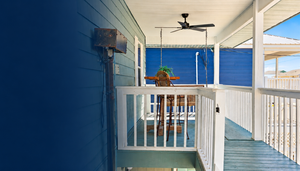
A porch, patio, balcony, or yard can give guests another place to gather when the weather allows. Outdoor areas may also work as everyday spaces for a quiet morning, a meal outside, or time with family. A 2026 Realtor.com article covering National Association of Home Builders research describes outdoor spaces as an increasingly useful extension of a home’s living area. <u>outdoor space as an everyday living area</u> [Insert external link: https://www.realtor.com/news/trends/home-design-trends-key-features-2026/] realtor.com
In Myrtle Beach and across the Grand Strand, the property’s location and condition matter alongside the outdoor setup. If a home is near the coast, ask about exterior maintenance, drainage, insurance costs, and any applicable association requirements. For waterfront or low-lying properties, make sure you understand the risks and costs tied to that specific address. FEMA’s Map Service Center lets buyers search official flood-hazard information by address. The South Carolina Department of Insurance also advises checking flood maps and discussing coverage with an insurance professional, since standard homeowners insurance generally does not cover flood damage. <u>FEMA flood map search</u> [Insert external link: https://msc.fema.gov/portal/search] and <u>South Carolina flood insurance guidance</u> [Insert external link: https://www.doi.sc.gov/989/FAQ-About-Flood-Insurance] emilms.fema.gov
These checks apply to the individual property; proximity to the coast alone does not tell you its flood risk or insurance requirements. Review the relevant maps and documents, and ask qualified professionals about the property’s condition and coverage before making a decision.
A coastal setting can add value to how you use a home, along with questions to investigate carefully.
Compare home types, community rules, and total costs
Myrtle Beach and the surrounding Grand Strand offer different kinds of homes, from single-family properties to condos and homes in planned communities. Each comes with its own layout, maintenance responsibilities, association fees, and rules. If you’re comparing a condo with a detached home, ask what the association fee covers and whether there are additional costs or restrictions that affect how you plan to use the property. If you’re considering a second home or a rental property, confirm the applicable local and community rules separately; do not assume that every property can be rented on the same terms.
Budget for more than the purchase price. Add expected taxes, insurance, utilities, maintenance, and any association dues to your comparison. Zillow’s buyer research found that 82% of buyers rated staying within their initial budget as very or extremely important. That national finding is a reminder to weigh a hosting feature against its full cost, not a reason to stretch beyond your own plan. <u>buyer budget priorities</u> [Insert external link: https://www.zillow.com/research/buyers-housing-trends-report-2026/] www.zillow.com
Ask yourself whether a larger home, an extra bedroom, or a bigger outdoor area solves a need you have regularly. Compare options based on the way you expect to live most of the year, including your commute, errands, household routines, and maintenance preferences. The home should make hosting easier without making everyday ownership harder to manage.
Use this checklist when touring homes
Before or after a showing, take a moment to picture both a busy visit and an ordinary week. A simple checklist can help you compare homes without getting distracted by staging or a single standout feature.
Can guests gather without blocking the kitchen’s main work area?
Is there a comfortable place to eat or sit together?
Could a spare room serve a useful everyday purpose?
Is a bathroom easy for overnight visitors to reach?
Is there space for coats, bags, and luggage?
Does the outdoor area fit your plans and maintenance comfort?
Have you checked property-specific flood, insurance, and association details?
You do not need every feature on the list. Use it to identify what matters most to your household and what questions you still need answered about each property.
Choose for the days after the gathering, too
Holiday hosting can help you notice whether a home has comfortable gathering areas, workable guest space, and enough room for people to move around. It can also bring everyday needs into focus: a flexible room for work, a kitchen that supports your routine, or outdoor space you would actually use. The goal is to balance those features with location, property condition, and a budget that feels manageable.
There is no single layout that suits every buyer. Some households may prefer a dedicated guest bedroom; others may get more use from a flexible office, an extra bathroom, or a comfortable living area. If you’re comparing areas or property types, the team’s Myrtle Beach and Grand Strand real estate guide can help you continue your research, and you can search available homes or review the buyer and seller guides.
As you tour, picture the holiday visit and the quiet morning afterward. A good fit should make sense in both scenes.